Food · Guide
Plant-Based Protein: A Complete Guide to Vegetarian and Vegan Sources
Published:
In brief
Vegetarians and vegans can meet their protein needs by eating a daily variety of legumes, soy foods, grains, nuts and seeds, since most plant foods lack one or more essential amino acid on their own. Harvard's Nutrition Source lists quinoa as a complete plant protein on its own, while Healthline's nutrition review adds soy foods, buckwheat and several other foods that supply all nine essential amino acids by themselves.
People who cut out meat, fish, eggs or all animal products often ask the same question: where does the protein come from? Several health organizations and nutrition reviewers have published detailed answers, and the consistent message is that a varied plant-based diet can meet protein needs without animal foods, provided meals include enough of the right foods.
Complete vs. incomplete plant proteins
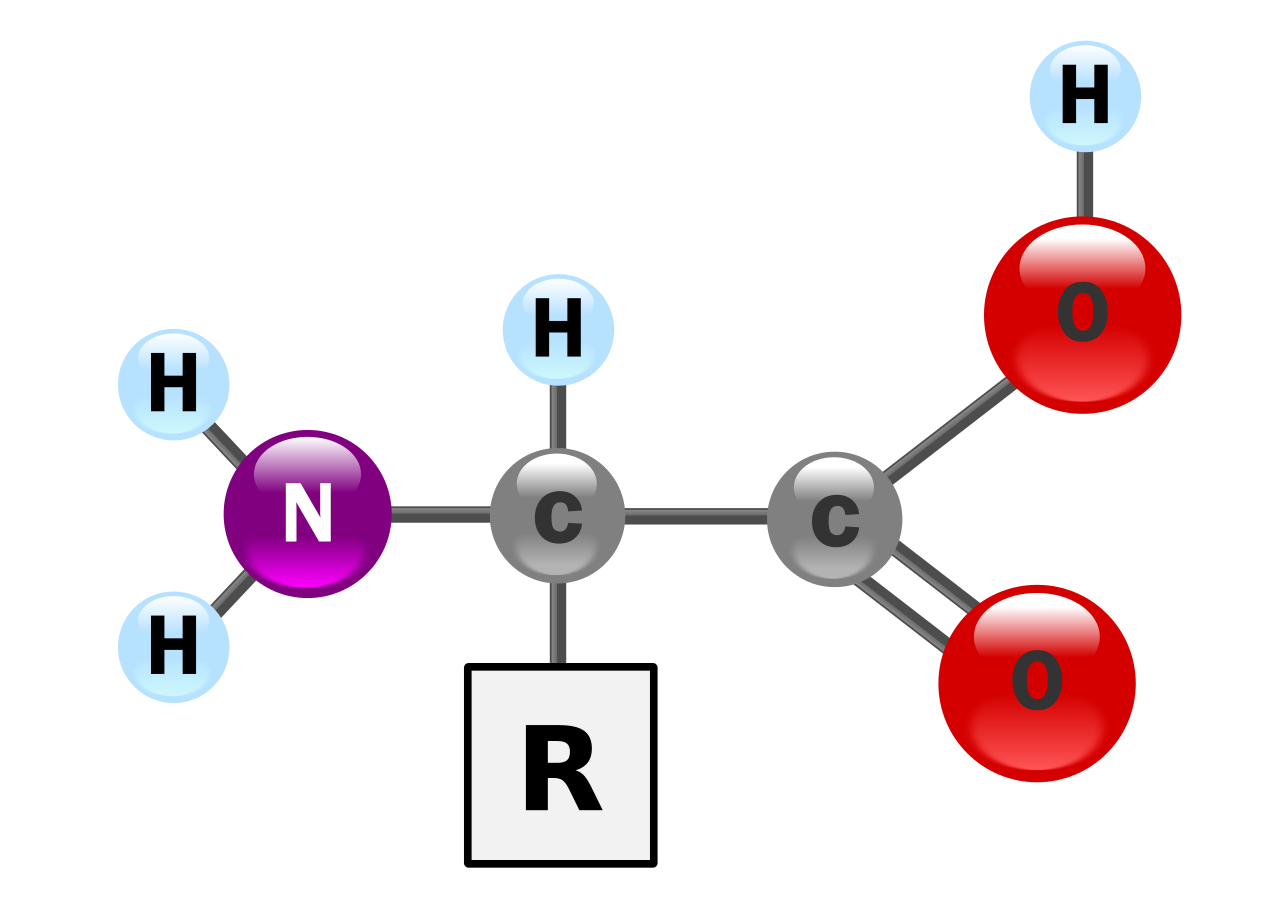
According to Harvard T.H. Chan School of Public Health's Nutrition Source, a "complete" protein contains all nine essential amino acids the body cannot make on its own. Harvard's page states that animal-based foods (meat, poultry, fish, eggs and dairy) tend to be good sources of complete protein, while plant-based foods such as grains, nuts and seeds often lack one or more essential amino acid.
Harvard describes this as manageable in practice: eating a variety of protein-containing plant foods each day supplies all the amino acids the body needs to build its own proteins.
Some plant foods are complete proteins on their own. Harvard's Nutrition Source names quinoa and chia seeds as examples. Healthline's nutrition review lists a wider set — soy foods (tofu, tempeh, edamame), quinoa, amaranth, buckwheat, hemp seeds, chia seeds, spirulina, nutritional yeast, Ezekiel bread and mycoprotein (sold under the Quorn brand) — among foods that contain all nine essential amino acids in a single serving.
How much protein is enough
Daily protein recommendations differ slightly between health bodies. Harvard's Nutrition Source cites the U.S. National Academy of Medicine's recommendation of a minimum of 0.8 grams of protein per kilogram of body weight per day. AXA Health, summarizing United Kingdom dietetic guidance, cites the UK Reference Nutrient Intake of 0.75 grams per kilogram of body weight per day. Both sources describe these figures as general population averages rather than individual prescriptions, and note that needs can vary with activity level, age and life stage.
AXA Health also cautions against relying on a single plant protein source and recommends combining several food groups — legumes, soy foods, grains, nuts and seeds — across meals to reach daily targets.
Protein content by food group
| Food | Serving size | Protein (g) | Source |
|---|---|---|---|
| Seitan | 3.5 oz (100 g) | 25 | Healthline |
| Tempeh | 3 oz (85 g) | 11 | Healthline |
| Lentils, cooked | 1 cup (198 g) | 18 | Healthline |
| Chickpeas | 100 g | 19 | AXA Health |
| Kidney beans | 100 g | 20 | AXA Health |
| Tofu | 3 oz (85 g) | 8 | Healthline |
| Edamame | 1/2 cup (85 g) | 8 | Healthline |
| Quinoa, cooked | 1 cup (185 g) | 8-9 | Harvard / Healthline |
| Hemp seeds | 3 tbsp (30 g) | 10 | Healthline |
| Nutritional yeast | 1/4 cup (15 g) | 8 | Healthline |
| Almonds | 1 oz (28 g) | 6 | Harvard |
| Mycoprotein (Quorn) patty | 75 g | 9 | Healthline |
How to combine proteins in practice
Harvard's Nutrition Source and Healthline both describe classic pairings that combine a grain with a legume so the amino acids each food lacks are supplied by the other. Commonly cited combinations include rice and beans, peanut butter on whole-wheat bread, and pita bread with hummus.
- Build each meal around at least one legume, soy food or whole grain rather than relying on vegetables alone for protein.
- Rotate protein sources across the week — legumes, soy foods, grains, nuts and seeds — instead of depending on one food group, as AXA Health recommends.
- Favor complete plant proteins such as tofu, tempeh, edamame, quinoa or buckwheat when a single-food protein source is needed.
- Combine a grain with a legume over the course of a day — for example rice with lentils, or wholemeal bread with hummus — as a practical way to cover amino acids each food group may lack individually.
- Add protein-dense extras such as hemp seeds, chia seeds or nutritional yeast to meals like salads, oatmeal or pasta to raise protein content without meat or dairy.
- Check total daily protein against body weight using the 0.8 g/kg (United States) or 0.75 g/kg (United Kingdom) reference figures cited by Harvard and AXA Health, adjusting upward for higher activity levels as advised by a dietitian.
A note on individual needs
Both Harvard's Nutrition Source and AXA Health describe the cited protein figures as general averages, not individual medical advice, and AXA Health specifically points readers toward professional dietetic guidance for personalized plans, particularly for children, pregnant people, older adults or those with specific health conditions.
Those who abstain from eating animal-based foods can eat a variety of protein-containing plant foods each day in order to get all the amino acids needed to make new protein.
Questions
- Can vegetarians and vegans get enough protein without meat, eggs or dairy?
- Yes, according to Harvard's Nutrition Source: eating a variety of protein-containing plant foods — legumes, soy foods, grains, nuts and seeds — each day supplies all nine essential amino acids the body needs.
- What are complete plant proteins?
- A complete protein contains all nine essential amino acids in one food. Harvard's Nutrition Source names quinoa and chia seeds as examples, and Healthline's nutrition review adds soy foods (tofu, tempeh, edamame), amaranth, buckwheat, spirulina, nutritional yeast and mycoprotein (Quorn).
- How much protein do I need per day?
- Harvard cites the U.S. National Academy of Medicine's recommendation of a minimum 0.8 grams per kilogram of body weight per day; AXA Health cites the UK Reference Nutrient Intake of 0.75 grams per kilogram per day. Both describe these as general averages that can vary by activity level and life stage.
- Do grains and legumes need to be eaten together to form a complete protein?
- Harvard's Nutrition Source does not say different plant proteins must be eaten in the same meal — it describes eating a variety of plant proteins each day as enough to supply all essential amino acids.
- Which single plant foods have the most protein per serving?
- According to Healthline's nutrition review, seitan provides about 25 grams of protein per 3.5 ounces (100 g), the highest among commonly cited plant foods, followed by legumes such as lentils at about 18 grams per cooked cup (198 g).
Sources
This piece was prepared with artificial intelligence and passed an automated source check before publication. If you see an error, ask for a correction. Request a correction or reply · How we make this
Related
FoodArticle
How Sterile-Pack Technology Turned Instant Rice Into a Global Staple
Instant rice reaches store shelves through aseptic processing: rice is milled, cooked and sealed inside its own tray using high-pressure steam, giving it a nine-month shelf life without preservatives. The method, commercialized in South Korea in 1996, now underpins a global market projected to grow from about $4.98 billion in 2026 to $7.73 billion by 2034, as Korean makers expand exports to roughly 60 countries.
FoodGuide
How to Ferment Vegetables at Home: A Beginner's Safety Guide
Fermenting vegetables at home relies on salt, an airtight anaerobic environment and full submersion in brine to let naturally occurring lactic acid bacteria turn sugars into acid. Following tested salt ratios (roughly 2–3% for shredded vegetables, about 5% for whole pieces), keeping temperatures between roughly 68–72°F (20–22°C), and watching for slime or rotten odors as signs to discard are the core safety rules from university extension services.
FoodArticle
Turkey's Olive Harvest: Changing Techniques, Who Does the Work, and Why It Matters
Turkey's olive harvest opens every October, starting with table olives on irrigated lowlands before moving to oil-variety trees once seasonal rain arrives. In Aydın province, the country's largest olive-growing area, hand-combing has largely replaced stick-beating, a shift that has put more women than men in the orchards, earning roughly 1,000 Turkish lira a day.

FoodGuide
How to Make Fresh Pasta at Home: Egg Dough, Rolling and Classic Shapes
Fresh pasta is made by mixing flour and eggs (or semolina and water for egg-free styles) in roughly a 100g-flour-to-1-egg ratio, kneading until smooth, resting the dough, then rolling it thin and cutting it into shapes. The two main families are egg pasta made with "00" flour, common in central and northern Italy, and egg-free semolina pasta made with durum wheat and water, typical of southern Italy.