On 21 October 1966, a collapsed coal-waste tip buried a school in Aberfan, Wales, killing 144 people, 116 of them children. Sixty years later, King Charles III, Queen Camilla and Prince William are visiting the village on 21 October 2026, while the 1966 tribunal's finding against the National Coal Board still shapes how the disaster is remembered.
What Happened on 21 October 1966
On the morning of 21 October 1966, Tip No. 7 — part of a group of seven colliery-waste tips built on the mountainside above Aberfan, a mining village near Merthyr Tydfil in south Wales, that together held about 2.1 million cubic metres of spoil — gave way after days of heavy rain, according to the British Geological Survey (BGS). About 107,000 cubic metres of liquefied slurry broke loose from the tip and surged down the slope.
The slide destroyed Pantglas Junior School, which was in session at the time, along with 18 houses, before coming to a halt at around 9:15 a.m., the BGS says. The disaster killed 144 people — 116 children, most aged seven to ten, and 28 adults, including five teachers. History.com describes it as one of the United Kingdom's worst mining disasters; the BGS records that 109 of the dead were pupils and staff of the junior school.
Who Was Blamed, and What Changed
A tribunal of inquiry examined the causes of the disaster and placed responsibility on the National Coal Board (NCB), the body that managed the tips. According to History.com's reporting on the tribunal's findings, the disaster was the result of the following, rather than deliberate wrongdoing.
Ignorance, ineptitude and a failure in communications.
— 1966 tribunal of inquiry into the Aberfan disaster, as reported by History.com
A disaster fund, set up on the day of the disaster, eventually raised the equivalent of about $16.6 million in today's money, History.com reports. The money paid for village repairs and support for injured and bereaved families, but bereaved parents were pressed to prove 'closeness' to their dead children to receive £500 in compensation. Public money spent clearing the remaining tips was eventually taken from the same charitable fund and was not repaid by the authorities until 1997 — without interest, according to History.com.
The Queen's Delayed Visit
Queen Elizabeth II did not travel to Aberfan in the immediate aftermath, sending Prince Philip instead. She visited the village eight days after the disaster, following press and public criticism, History.com and nation.cymru report. In 2002, according to History.com, she described not going sooner as one of the biggest regrets of her reign. She returned to Aberfan three more times during her life, including to open Ynysowen Community Primary School — built after the disaster — in 2012, according to nation.cymru.
The 60th Anniversary: Charles, Camilla and William in Aberfan
On 21 October 2026, exactly sixty years after the disaster, King Charles III, Queen Camilla and the Prince of Wales are visiting Aberfan together, nation.cymru reports. Planned events include a visit to the Aberfan Memorial Garden, on the site of the former Pantglas school, followed by a prayer and a moment of silence during which the King and the Prince will lay wreaths and the Queen will place a posy.
The royal party will then go to the Aberfan and Merthyr Vale Community Centre to meet survivors, bereaved families and retired emergency workers, including a 96-year-old former police officer who served at the time of the 1966 disaster, according to nation.cymru. Jeff Edwards, who survived the disaster at the age of eight, is due to speak before introducing the King at a community reception that will also feature a performance by the Ynysowen Male Voice Choir. Prince William is scheduled to unveil the Aberfan Memorial Tree at Ynysowen Community Primary School.
Why Aberfan Still Matters
The BGS includes Aberfan among its landslide case studies, describing how heavy rainfall triggered the collapse of a man-made colliery-waste tip. History.com's account of the disaster fund — families asked to prove closeness to dead children for compensation, and the delay, without interest, in repaying money spent on tip clearance until 1997 — remains part of how the disaster's aftermath is documented. Queen Elizabeth II's delayed 1966 visit, and her later description of it as one of the biggest regrets of her reign, is also recalled in coverage of this year's joint visit to Aberfan by the King, Queen Camilla and the Prince of Wales, according to nation.cymru.
Aberfan disaster: key facts
Fact
Detail
Date
21 October 1966
Location
Aberfan, near Merthyr Tydfil, south Wales
Cause
Collapse of Tip No. 7 after heavy rain; c. 107,000 m³ of slurry released (BGS)
Deaths
144 total — 116 children, 28 adults including 5 teachers
Main site destroyed
Pantglas Junior School and 18 houses
Official finding
Tribunal blamed the National Coal Board, concluding the disaster stemmed from ignorance, ineptitude and a failure in communications rather than deliberate wrongdoing (History.com)
Fund repayment
Tip-clearance money repaid to the disaster fund only in 1997, without interest
60th anniversary visit
King Charles III, Queen Camilla and Prince William in Aberfan on 21 October 2026
Questions
What caused the Aberfan disaster?
According to the British Geological Survey, heavy rain saturated Tip No. 7, a colliery waste heap built on the mountainside above Aberfan, causing it to collapse and send about 107,000 cubic metres of slurry down onto the village on 21 October 1966.
How many people died at Aberfan?
144 people were killed, including 116 children — most aged seven to ten — and 28 adults, five of them teachers, per BGS data; History.com describes it as one of the United Kingdom's worst mining disasters.
Who was held responsible for the disaster?
A 1966 tribunal of inquiry found the National Coal Board responsible, concluding the disaster resulted from 'ignorance, ineptitude and a failure in communications' rather than intentional wrongdoing, according to History.com.
Why was Queen Elizabeth II's response to Aberfan controversial?
She did not visit Aberfan immediately, sending Prince Philip instead, and arrived eight days later after criticism; she later called the delay one of the biggest regrets of her reign, History.com and nation.cymru report.
What is happening for the 60th anniversary in 2026?
On 21 October 2026, King Charles III, Queen Camilla and Prince William are visiting Aberfan's memorial garden and community centre, meeting survivors and emergency workers, with Prince William unveiling a memorial tree at Ynysowen Community Primary School, according to nation.cymru.
This piece was prepared with artificial intelligence and passed an automated source check before publication. If you see an error, ask for a correction. Request a correction or reply · How we make this
Long before European colonization, the African continent was home to powerful states that built pyramids, ran trans-Saharan gold-and-salt economies, and raised cities of carved stone. This list ranks seven ancient African kingdoms by the scale of their political, economic or architectural reach, based on dates and figures from historians, UNESCO and museum records.
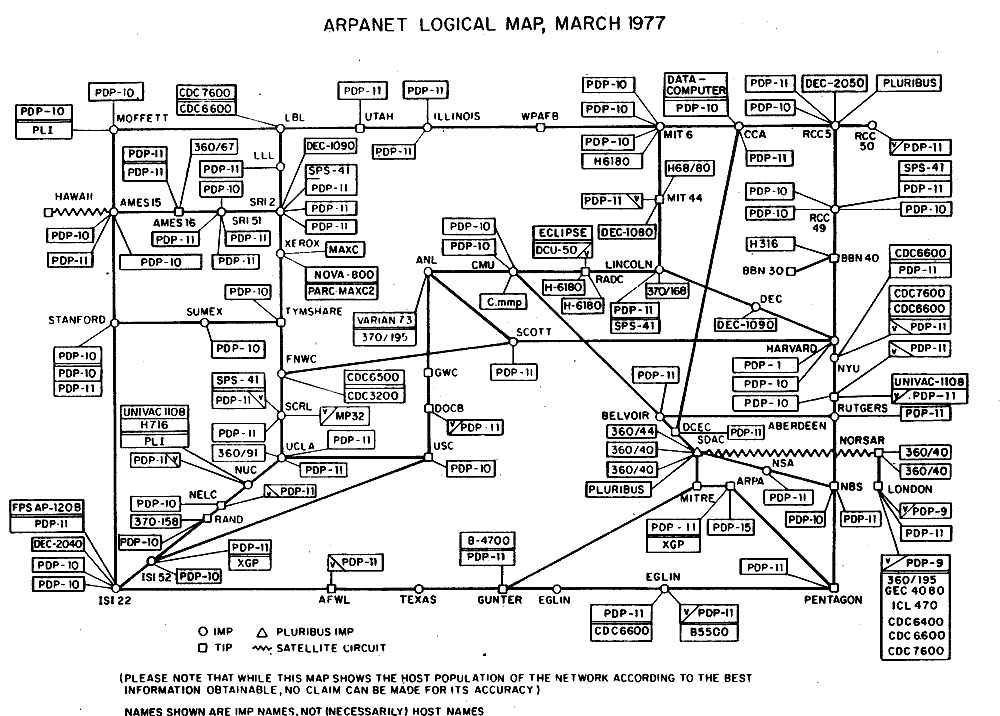
The internet began as a U.S. defense research network called ARPANET in 1969 and became the World Wide Web two decades later through a 1989 proposal at CERN. Today roughly 6 billion people — about three-quarters of the world's population — use the internet, according to the UN's International Telecommunication Union (ITU).
Archaeologists use two broad approaches: relative dating, which orders finds by layer or style without giving a year, and absolute (scientific) dating, which uses physical or chemical changes — such as carbon-14 decay, tree-ring patterns or potassium-argon decay — to estimate a calendar-based age range. Most sites are dated by combining several of these methods rather than relying on one alone.
Ancient Rome ran its affairs through elected magistrates, a senate of former officials and popular assemblies for roughly five centuries before power concentrated in a single emperor from 27 BCE. Its rigid social hierarchy, its legal code and its Latin tongue went on to shape European and wider Western institutions long after the empire itself fell.